

Back to Blog
Hormones and ADHD
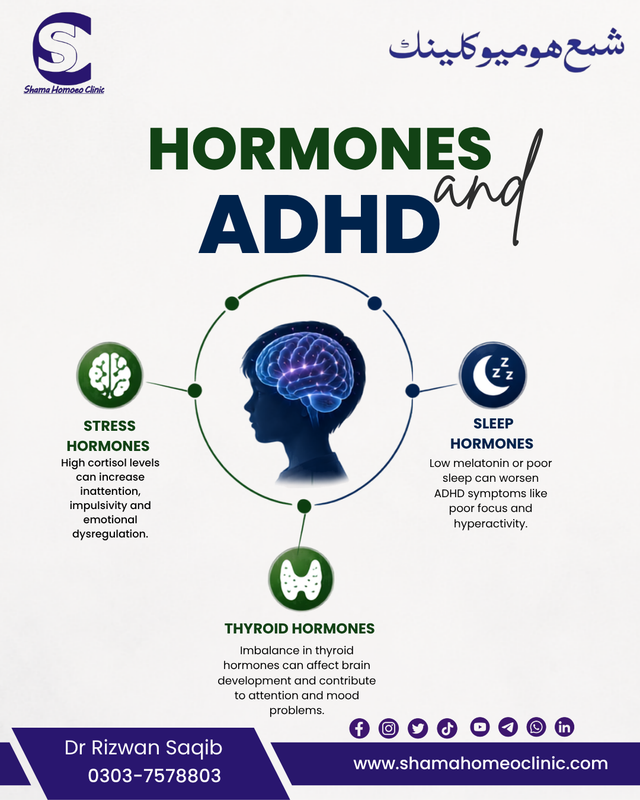
Hormones and ADHD:
There is a possible link between ADHD and hormones.
Puberty and ADHD:
Puberty is the first time in a young person’s life that sex hormones surge. Boys have a big boost in testosterone, and girls see a rise in estradiol, a type of estrogen. These changes in hormone levels can have important effects on kids with ADHD. For example, high levels of testosterone can affect brain circuits in a way that causes more symptoms of the condition. Researchers suspect that male sex hormones may be one reason that ADHD is much more common in boys than girls.
Parents should be aware that:
Your child’s peers may start to become less patient with their ADHD behaviors, raising the odds that they could be isolated or bullied.
Weight gain in puberty could require a change in ADHD medications.
Changes in the brain could ease ADHD symptoms.
As bodies change (more hair, body odor, etc.), some kids may need reminders about showering and wearing deodorant.
Sexual feelings may be confusing and lead to inappropriate behavior.
Kids may feel more insecure about blending in.
ADHD During Childbearing Years
There is a possible connection between ADHD and the changing hormone levels during the cycle.
If you feel your menstrual cycle affects your ADHD symptoms, tell your doctor. They can help you come up with strategies, besides medication, to manage your condition.
ADHD, Menopause, and Perimenopause
In some cases, major changes in estrogen levels can make depression and other mood disorders more likely - especially as women move into menopause. Also, perimenopausal and postmenopausal women often have ADHD-like symptoms, including problems with:
Attention, organization, short-term memory
It’s unclear exactly what causes ADHD. But doctors believe it’s linked to problems with how your body processes certain brain chemicals called neurotransmitters, mainly dopamine and norepinephrine.
Your Period Affect ADHD?
Some women say their ADHD seems worse in the later part of their menstrual cycle. Their symptoms may flare and their medications don’t work as well. when estrogen levels are low, ADHD symptoms increase.
There’s some scientific evidence that stimulants have a greater effect when combined with estrogen. As those levels drop in the days leading up to your period, you may see your symptoms get worse.
Girls and women are more likely to have the form of ADHD called predominantly inattentive, with problems related to focus and concentration rather than behavior and impulse control. You may notice that you:
Have trouble paying attention, can’t stick to a task, have trouble with relationships, can’t control emotions, find it hard to get organized, lose or forget things
Depression and anxiety are also more likely to go along with the disorder in girls and women.
Some of these symptoms, mirror those of premenstrual syndrome, which can come on when estrogen and progesterone levels drop right before your period. Whether or not they have ADHD, many women have emotional and behavior symptoms including:
Anxiety, crankiness, depression, sleep problems, trouble concentrating
PMS can affect your sleep patterns. It may make it hard for you to get to sleep, so you’re tired during the day. Tiredness and low mood could make you sleep more than you usually do (hypersomnia). Practicing good sleep hygiene can help your bedroom.
Stay away from alcohol and heavy meals before bedtime.
Eat right. A balanced diet goes a long way toward making you feel more like yourself, and can lessen some ADHD symptoms too. Be sure to get plenty of fruits and veggies, especially leafy greens. These may help with both issues of inattention related to ADHD and feelings of tiredness that come with PMS.
Keep electronic devices such as phones and tablets out of your bedroom.
Get Moving. Some studies have found that cardio exercise can help ease the emotional and physical symptoms of PMS. Exercise has been shown to help ease ADHD symptoms in kids. There hasn’t been enough research on adults, but early studies do show some promise.
Avoid stress. Stress can make both your PMS and your ADHD symptoms worse. Stress has an especially strong effect on symptoms for those who have the inattentive form of ADHD, which is the type many people who menstruate have. Taking time to practice self-care, such as mindfulness exercises, deep breathing, or yoga can help head off stress so you can function better.
If you’ve been living with ADHD for a while, you may feel like you have your condition under control. But hormone changes before and during menopause could set you back.
Not only can a drop in estrogen during perimenopause and menopause cause hot flashes, weight gain, and trouble sleeping, but it can also lead to new or worse symptoms of ADHD.
How Does Estrogen Affect Your Brain?
You might have recognized the impact that hormones have on your ADHD symptoms as early as your first period.
ADHD symptoms tend to be milder at times when estrogen levels are higher in your body, like during and shortly after your period. You might notice more ADHD symptoms when estrogen levels are lower, like when you’re having PMS. Your medication might not work as well then. Estrogen levels rise during pregnancy, which often reduces major ADHD symptoms. After childbirth, though, it’s common for ADHD symptoms to get worse.
But how exactly do female hormones influence symptoms of ADHD?
Estrogen affects the brain in many ways. But for people with ADHD, the most important are its impact on the brain chemicals serotonin and dopamine. When estrogen levels drop, so does your brain’s ability to release these two chemicals. Less serotonin can lead to mood changes, like feelings of sadness and anxiety. Dopamine promotes pleasurable feelings. It also plays a role in what’s known as executive function, which is things like focus, memory, and concentration.
ڈاکٹر رضوان ثاقب
بی ایچ ایم ایس
شمع ہومیو کلینک
لاہور پاکستان 03037578803
Consult with our Specialists
Have questions about your health? Our expert homeopathic doctors are here to help.
Book a Consultation